A feminist reclamation of London’s hidden history, through a reimagining of the city’s iconic Tube map.
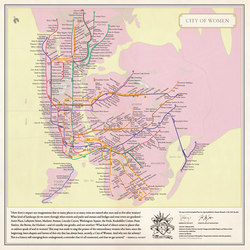
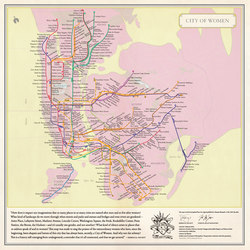
Londoners Reni Eddo-Lodge and Emma Watson have reimagined the iconic Tube map, in collaboration with Rebecca Solnit, to celebrate the lives of women and non-binary people who have left a lasting impact on the city. The new map, unveiled on International Women’s Day in partnership with Transport for London, re-names each stop after a woman, non-binary person or a group who have shaped London.
Instead of Bond Street, Notting Hill Gate, Warren Street, Paddington, Euston Square, Waterloo, Bank or Lancaster Gate, the City of Women London Tube map invites us to mind the gap at Audrey Hepburn, Claudia Jones, Virginia Woolf, Mary Seacole, Noor Inayat Khan, Agnes Beckwith, Boudica or Jung Chang.
This map has been produced and packaged as a large poster. An interactive, digital version developed by UCL allows people to learn more about each person and their inspiring lives.
The women and non-binary people assigned to each station were identified through a multi-layered research process, beginning with an open call for suggestions. Some of these figures are household names while others are unsung heroes from London’s hidden histories, yet each has indelibly shaped the city. The names for the map were selected by the authors of the project, with input from an advisory group made up of academics, writers, activists and historians. Where possible, names have been placed at a station with a personal or symbolic connection to their lives. The inclusion of several non-binary people on the map recognises the resonance between their lives and undertakings and the anti-patriarchal spirit of the City of Women project (in all cases, they are in full agreement about their inclusion).
The City of Women map is the result of a collaboration launched in 2020 between Reni Eddo-Lodge, Rebecca Solnit, Emma Watson, cartographer Molly Roy, designer Lia Tjandra and Haymarket Books, in partnership with Transport for London, the WOW Foundation and University College London.
Reni Eddo-Lodge is an award winning journalist, author, and podcaster. Her debut non-fiction book, Why I’m No Longer Talking to White People About Race, was published in June 2017 to critical acclaim, becoming a Sunday Times bestseller, winning the 2018 Jhalak Prize, the 2018 Bread and Roses Award for Radical Publishing, and a 2018 British Book Award for Narrative Non Fiction, as well as multiple other awards and shortlistings.
Her podcast, About Race with Reni Eddo-Lodge, was chosen as one of the best podcasts of 2018 by Apple Podcasts, Spotify, Harper’s Bazaar UK, The Guardian, British GQ and Wired UK.
In 2019, Reni’s work earned her a place on Forbes’ European 30 Under 30 list. In January 2018, British Vogue highlighted named her a ‘new suffragette’. She has also been listed in Elle Magazine’s 100 Inspirational Women list, and The Root’s 30 black viral voices under 30.
Rebecca Solnit is the author of more than twenty books, including Orwell’s Roses; Hope in the Dark; Men Explain Things to Me; A Paradise Built in Hell: The Extraordinary Communities that Arise in Disaster; and A Field Guide to Getting Lost. A longtime climate and human rights activist, she serves on the board of the climate group Oil Change International, and the advisory boards of Dayenu and Third Act.
Emma Watson is an English actress, model, and activist. Her most recent film is Little Women, with her previous work including The Circle, Beauty and the Beast, Regression, and of course the iconic Harry Potter series.
Her high-profile activism on women’s rights has included a role as an United Nations Women’s Goodwill Ambassador, through which she launched the HeForShe campaign, which calls on men to advocate gender equality. In 2014, the Ms. Foundation for Women name Watson as its Feminist Celebrity of the year, and she has been named in the Time 100 list of influential people. She has since launched a feminist Goodreads bookclub called Our Shared Shelf and, in 2019, a legal advice line for people suffering sexual harassment at work.
Publication date: April 19, 2022
‘Throughout the world, most places that are named after people are named after men, amplifying male roles and deeds and erasing women and girls all over again. In 2016 I co-created a map that renamed every subway stop in New York after a significant woman from that city, and Emma Watson was so smitten with that map that she brought Reni Eddo-Lodge on board to lead a project to do the same with London’s famous Tube map. We are delighted to put City of Women London out this spring and further the conversation about visibility and representation as they relate to gender, and we hope it launches a million conversations about what places have been and what they could be.’ —Rebecca Solnit
‘As a Londoner, I've walked the streets of this city for decades, not conscious of the fact that so many of the city's place names have a fascinating etymology. These iconic places are named after pubs, and parks, gates and members of the monarchy, but I was excited to give the map a feminist refresh. Our map switches the focus to women and non binary people, contemporary and historic, who have made indelible marks on the city's trajectory. I hope it helps you think about your surroundings differently!’ —Reni Eddo-Lodge
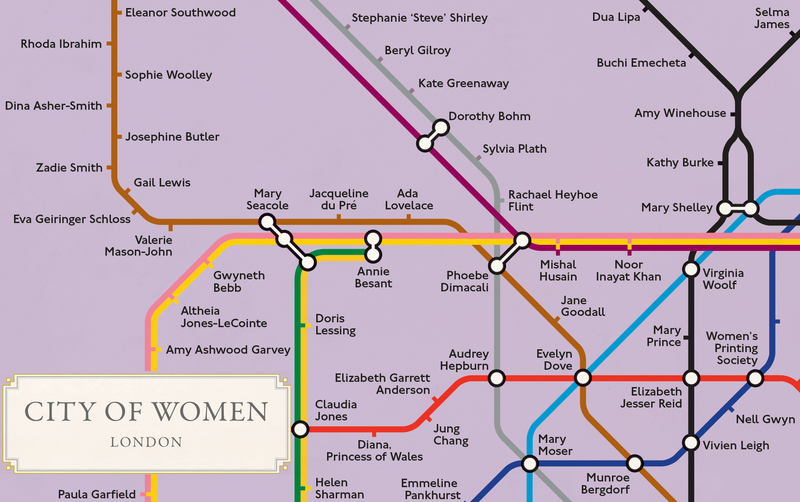
The City of Women London Tube Map redraws Transport for London’s iconic underground map, with each station named after women and non-binary people who have shaped London.
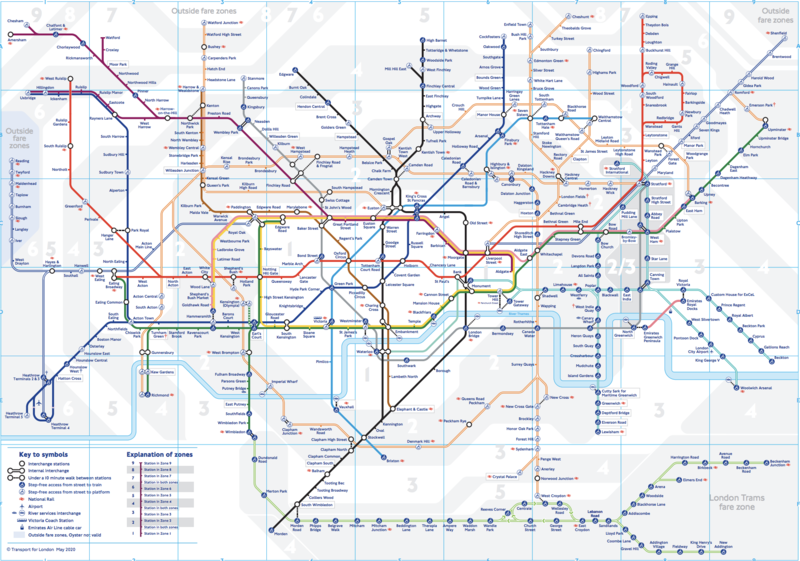
The new public history project ‘City of London Women’ will redraw Transport for London’s classic Underground map by naming each stop after a woman, non-binary person or a group.
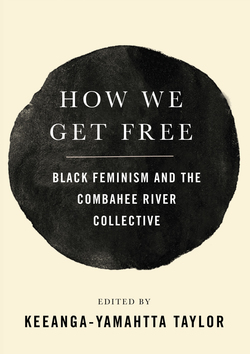
Edited by Keeanga-Yamahtta Taylor
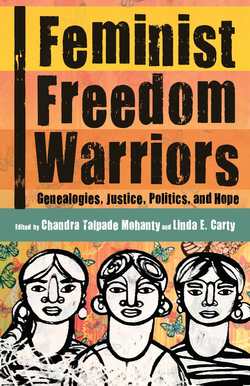
Edited by Linda Carty and Chandra Talpede Mohanty