“Why does capitalism fail us?” Richard D. Wolff walks readers through this pressing question in a brilliant takedown of an economic system that benefits the few at the great expense of the many.
Understanding Capitalism explores the different definitions of what capitalism is and is not, and dissolves the many myths that, Wolff argues, are designed to confuse and disorient us. Wolff doesn’t simply identify the crises and harms manufactured by capitalism, he details a path forward by outlining alternative economic models that combat the exploitation and oppression inherent in capitalism.
Capitalism oftentimes feels as permanent as the sky above. Understanding Capitalism shows that our current economic system is only as strong as the ordinary people who enable its existence, and that capitalism’s demise requires an organized, collective effort by those who can identify its vulnerabilities and limitations, but also understand that another world is indeed possible.
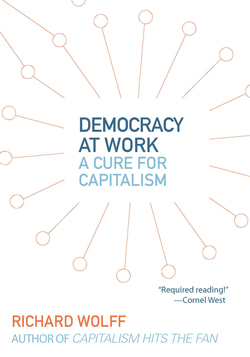
Richard D. Wolff is professor of economics emeritus at the University of Massachusetts, Amherst, and a visiting professor at the New School University in New York. His groundbreaking book Democracy at Work: A Cure for Capitalism inspired the creation of the nonprofit organization Democracy at Work (www.democracyatwork.info).
Publication date: December 9, 2025
Introduction
How to Read This Book
1. Defining Capitalism: What It Is
2. Defining Capitalism: What It Is Not
3. The Problems of Capitalism
4. The Myths of Capitalism
5. The Relationships of Capitalism
6. Capitalism and You
7. What Comes After Capitalism
“Probably America’s most prominent Marxist economist.”
—New York Times Magazine
"Richard Wolff is the leading socialist economist in the country. This book is required reading for anyone concerned about a fundamental transformation of the ailing capitalist economy."
—Cornel West
“Richard Wolff’s constructive and innovative ideas suggest new and promising foundations for a much more authentic democracy and sustainable and equitable development, ideas that can be implemented directly and carried forward. A very valuable contribution in troubled times.”
—Noam Chomsky