For two months in 1871, the workers of Paris took control of Europe’s most celebrated capital city. When they established the world’s first workers’ democracy the Paris Commune they found no ready-made blueprints, and no precedents to study for how to run their city without princes, prison wardens, or professional politicians. All they had was the boundless revolutionary enthusiasm of Paris’s socialists, communists, anarchists, and radical Jacobins, all of whom threw their energies into creating a new society.
As the city’s bakers, industrial workers, and other ruffians” built new institutions of collective political power to overturn social and economic inequality, their former rulers sought to thwart their efforts by any means necessary ultimately deciding to drown the Communards in blood.
By paying particular attention to the historic problems of the Commune, critical debates over its implications, and the glimpse of a better world the Commune provided, Gluckstein reveals its enduring lessons and inspiration for today’s struggles.
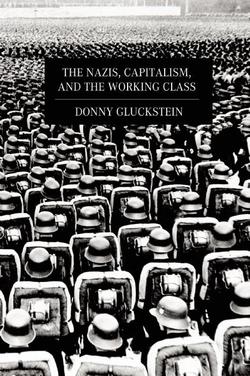
Donny Gluckstein is author of The Nazis, Capitalism and the Working Class and The Tragedy of Bukharin. He is a lecturer in history in Edinburgh and is a member of the Socialist Workers Party.
Publication date: July 26, 2011