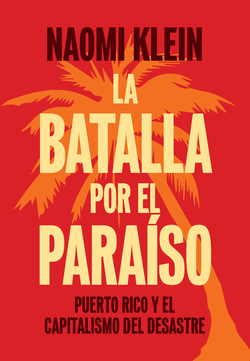
Two years after Hurricane Maria hit, Puerto Ricans are still reeling from its effects and aftereffects. Aftershocks collects poems, essays and photos from survivors of Hurricane Maria detailing their determination to persevere.
The concept of "aftershocks" is used in the context of earthquakes to describe the jolts felt after the initial quake, but no disaster is a singular event. Aftershocks of Disaster examines the lasting effects of hurricane Maria, not just the effects of the wind or the rain, but delving into what followed: state failure, social abandonment, capitalization on human misery, and the collective trauma produced by the botched response.
Yarimar Bonilla is a political anthropologist, professor, and contributing writer to the New York Times. Both an accomplished scholar and a prominent public intellectual, Yarimar is a leading voice on questions of Caribbean and Latinx politics. She is a regular columnist in the Puerto Rican newspaper El Nuevo Día and a frequent contributor to publications such as The Washington Post, The Nation, and The New Yorker. Bonilla is a professor in the Effron Center for the Study of America at Princeton University. Her website is https://yarimarbonilla.com.
Marisol LeBrón is associate professor in Feminist Studies and Critical Race and Ethnic Studies at the University of California, Santa Cruz. She is author of Against Muerto Rico: Lessons from the Verano Boricua/Contra Muerto Rico: Lecciones del Verano Boricua (Editora Educación Emergente, 2021) and Policing Life and Death: Race, Violence, and Resistance in Puerto Rico (University of California Press, 2019) and co-editor of Aftershocks of Disaster: Puerto Rico Before and After the Storm (Haymarket Books, 2019)
Publication date: September 17, 2019
Praise for Bonilla's Non-Soveriegn Futures:
Praise for Lebron's Policing Life and Death
"In this extraordinary book, Marisol LeBrón does a brilliant job helping us see the everyday activism and cultural inventiveness of Puerto Ricans figuring out how to respond to state repression and colonial capitalism. It’s a genuinely thrilling read."—Laura Briggs, author of How All Politics Became Reproductive Politics: From Welfare Reform to Foreclosure to Trump
"Policing Life and Death deftly illuminates the long historical presence of 'punitive governance' in Puerto Rico, demonstrating the depth to which gendered racist state violence defines the US colonial/neocolonial relationship with the island and its people. This indispensable study not only focuses on the normalized, cross-generational violence generated by the policing and criminological regimes, but also pays rigorous attention to the ways Puerto Rican activists, artists, community leaders, and others respond to—and potentially transform—this punitive condition." —Dylan Rodriguez, author of Forced Passages: Imprisoned Radical Intellectuals and the US Prison Regime
"LeBrón's rigorously researched, trenchant examination into how everyday life is sectioned, monitored, and controlled is an essential read for understanding modern-day Puerto Rico and all communities and societies negotiating and defending themselves from the layered execution of power. " —Zaire Dinzey-Flores, author of Locked In, Locked Out: Gated Communities in a Puerto Rican City
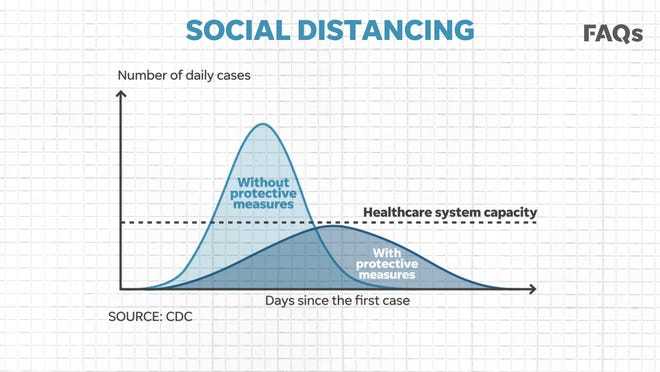
The combined effects of fear, confinement, income loss and the potential destruction of family savings augur a mental-health crisis on an even larger scale than the pandemic itself. Consider solidarity an essential vaccine.
It's that simple: take 90% off all Ebooks at HaymarketBooks.org through Monday, November 11th!
Edited by Yarimar Bonilla and Isabel Guzzardo Tamargo
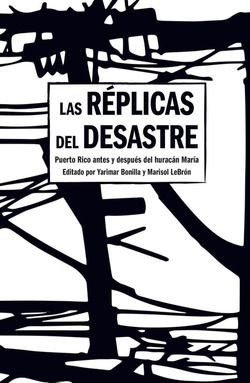
Edited by Yarimar Bonilla and Marisol LeBrón
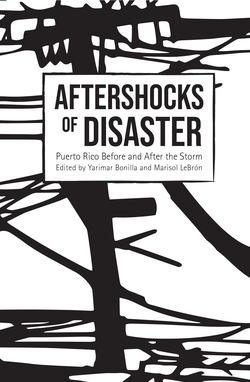
Edited by Yarimar Bonilla and Marisol LeBrón